Locking Castle
A well-known local landmark on the edge of the village. It helps us pin down addresses on the western side of Locking and work out the quickest approach from Weston.
Spray foam removal in Locking is what we do every week, from Locking Village cottages to the new builds off Banwell Road. If spray foam is blocking your mortgage, trapping damp in your rafters or stopping a sale, our team cuts it out, cleans the timbers and gets your roof breathing again. We cover BS24 7 and BS24 8, seven days a week.
Every property in Locking is different, so we do not sell one fixed package. Some customers need a full loft strip-out before a sale, some need a single section of closed cell foam removed after a leak, and some just want an honest assessment before they panic. If you have been typing spray foam removal near me Locking into your phone at 11pm, you are in the right place. Here is what we actually do across BS24 7 and BS24 8.
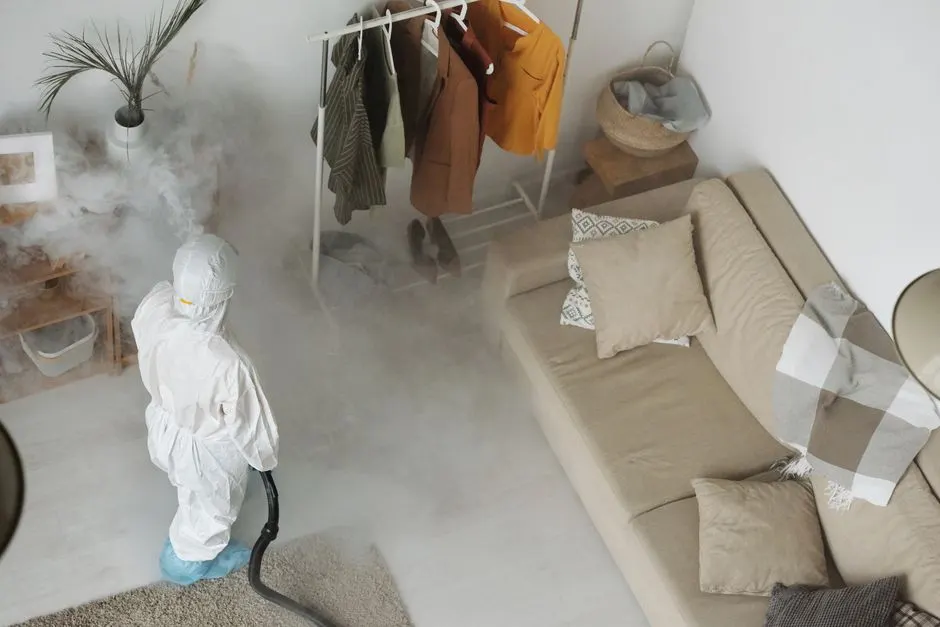 Spray Foam Removal near meIf you are searching for spray foam removal near me in Locking, we cover every street from Locking Village to Elborough. Most jobs start with a free loft survey, then we book you in for extraction within a few days. We work around school runs and shift patterns, and we clean up so the loft is usable the same day.View details →
 Same day Spray Foam RemovalSame day spray foam removal in Locking is available when a survey has already been done or when a mortgage deadline is looming. We keep slots open for BS24 7 and BS24 8 postcodes, particularly for small loft sections and cavity wall foam. Call before 10am and we will usually have a van with you by the afternoon.View details →
 24/7 Spray Foam RemovalOur 24/7 spray foam removal line covers Locking and the surrounding villages for urgent problems, such as foam that has come loose after a storm or a leak that has soaked into open cell foam. You will speak to a real person, not a call centre, and we will tell you honestly whether it can wait until morning.View details →
 Residential Spray Foam RemovalMost of our Locking work is residential, from terraced cottages near St Augustine's Church to detached new builds on Locking Parklands. We remove foam from lofts, rafters, dormer cheeks and cavity walls, then reinstate ventilation so the roof can dry out. Dust sheets go down, and the loft is vacuumed before we leave.View details →
 Commercial Spray Foam RemovalCommercial spray foam removal in Locking covers units, workshops and storage buildings around the village and the Weston Airfield side. We work out of hours where needed so your business keeps running, and we provide waste transfer documentation for the removed foam. Larger roofs are surveyed and priced per square metre.View details →
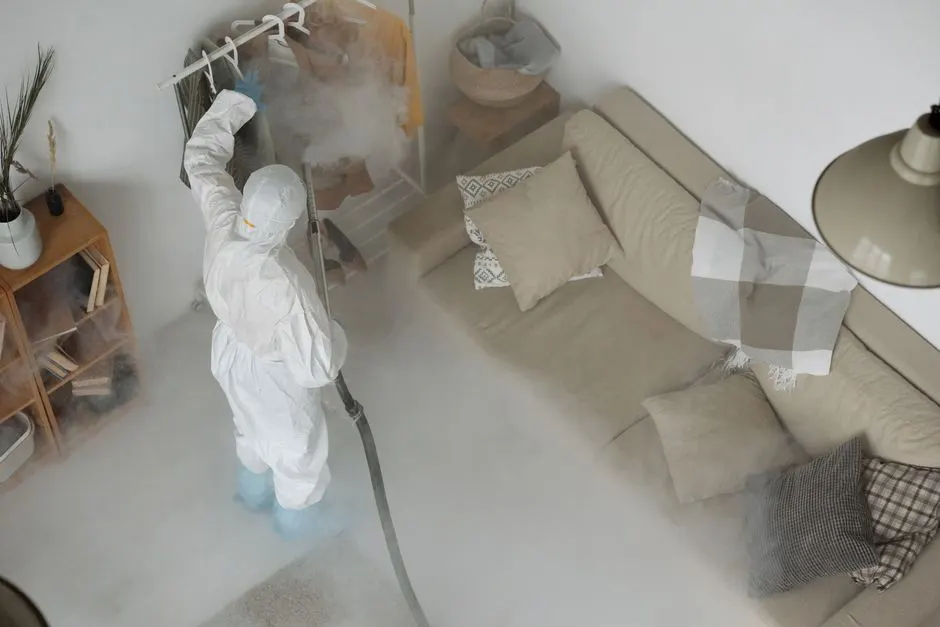 Loft Spray Foam RemovalLoft spray foam removal is our most common Locking job. Foam sprayed between rafters stops the roof breathing, and in older Locking cottages that shows up as condensation on the underside of the felt. We cut the foam back, check the timbers for rot, and leave the loft ready for a proper insulation system.View details →
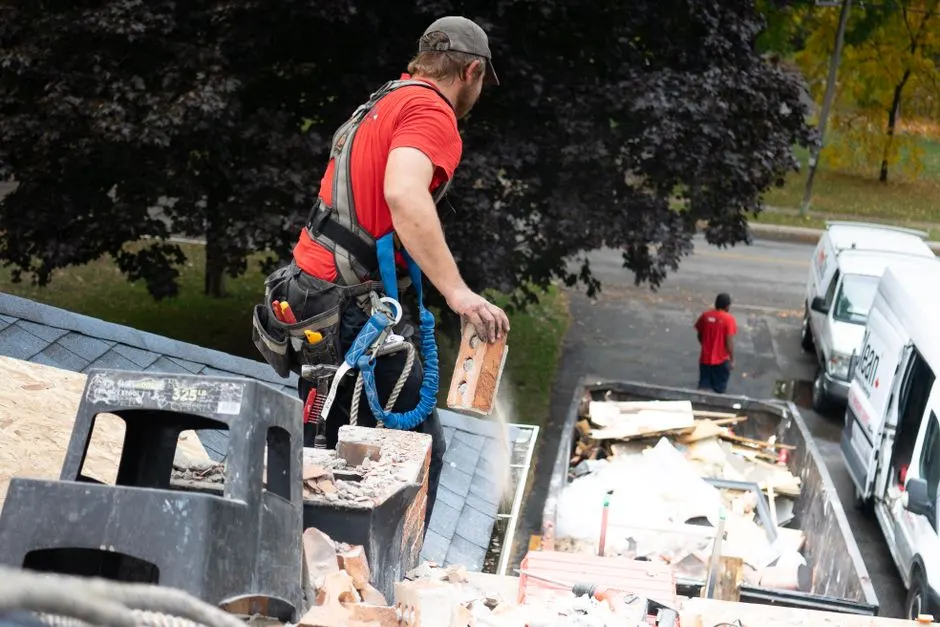 Roof Spray Foam RemovalRoof spray foam removal in Locking often means working from inside the loft, but some jobs need access from the roof itself. We assess the rafters, remove foam from the underside of the roof covering, and check for damaged felt or battens. Access is planned around your property, including terraces on Locking Road.View details →
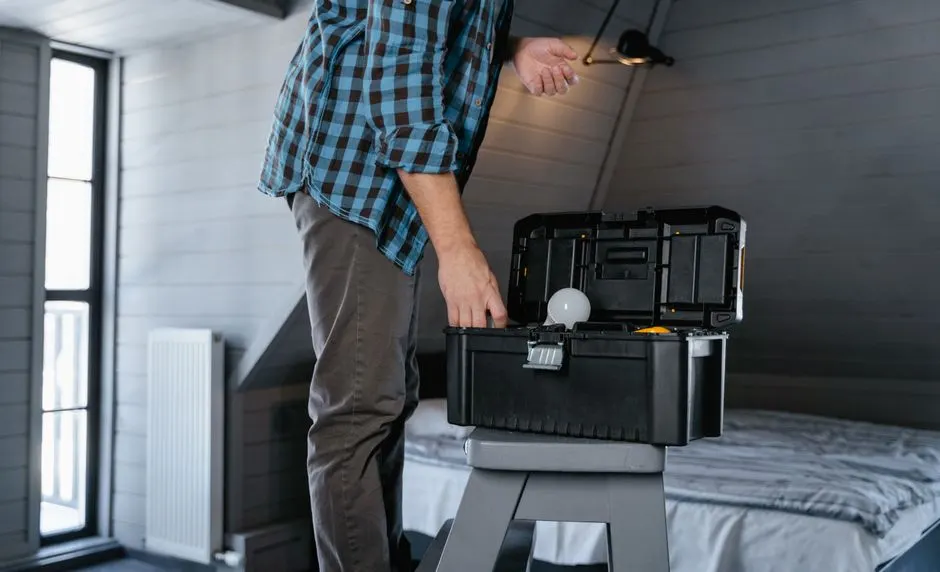 Attic Spray Foam RemovalAttic spray foam removal across Locking covers older properties where the attic was converted or used for storage and then foam-insulated. We remove the foam, inspect for timber rot from trapped moisture, and clear the space. If the attic is boarded, we lift and refit boards where possible to keep your storage.View details →
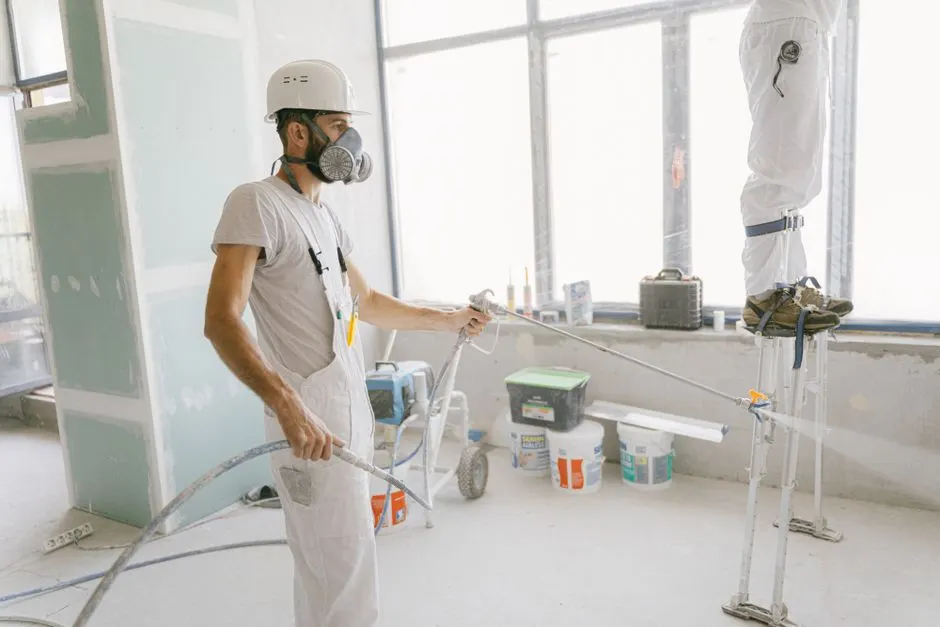 Spray Foam Insulation RemovalSpray foam insulation removal in Locking is usually driven by a mortgage lender, a surveyor or a failed sale. We remove the foam completely, document the condition of the timbers, and provide a report you can send to your lender. This is the service most Locking sellers ask for first.View details →
 Open Cell Spray Foam RemovalOpen cell spray foam is softer and more common in Locking lofts, and it soaks up water like a sponge when a roof leaks. We remove it in sections, dry the timbers, and check the extent of any damp. Because it is less dense, extraction is usually quicker than closed cell work.View details →
 Closed Cell Spray Foam RemovalClosed cell spray foam is the hard, dense foam that mortgage lenders flag most often, and it is common in Locking properties that were insulated for a grant. It is tough to remove by hand, so we use a spray foam removal saw and oscillating multi-tool. Expect a slower, more careful job than open cell.View details →
 Mortgage Lender Spray Foam RemovalMortgage lender spray foam removal in Locking is for homeowners whose valuation has been refused or down-valued because of foam in the roof. We remove the foam to a standard lenders accept, photograph every stage, and provide the paperwork your broker needs. This is often a race against a sale deadline.View details →
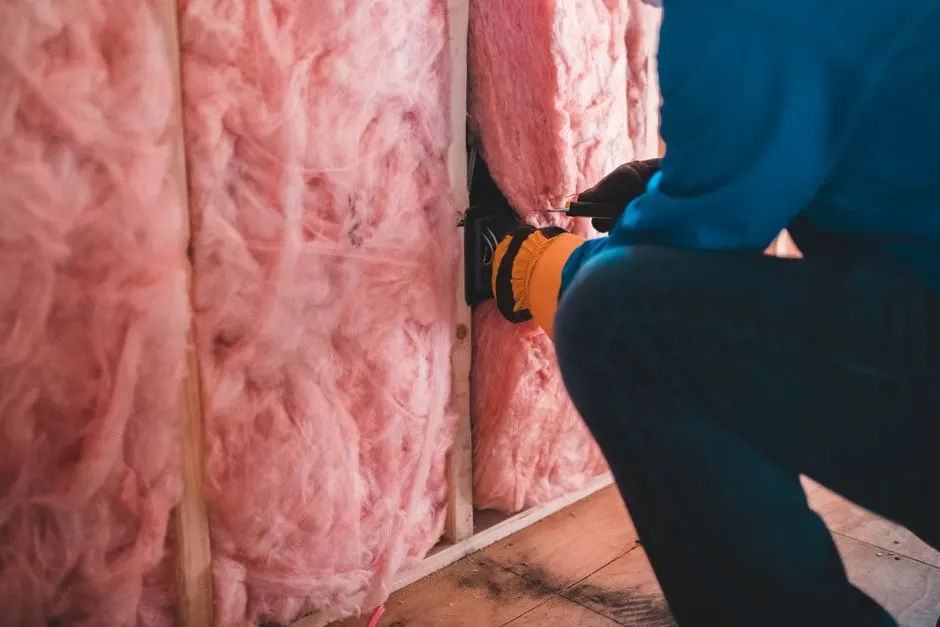 Insulation Removal ServiceOur insulation removal service in Locking covers spray foam, old mineral wool and mixed insulation that has been contaminated by damp or pests. We strip it out, bag it, and dispose of it correctly under COSHH regulations. You get a clean, empty loft ready for whatever comes next.View details →
 Insulation AssessmentAn insulation assessment in Locking tells you whether your spray foam actually needs to come out. We use a thermal imaging camera to map damp and cold spots, check the timbers, and give you a straight answer. Sometimes the foam is fine and just needs ventilation improving, and we will say so.View details →
 Dry Ice Blasting Spray Foam RemovalDry ice blasting is our cleanest method for removing spray foam from delicate surfaces in Locking, including older rafters and stonework. It freezes the foam so it lifts away without gouging the timber. There is no grit or water residue, which matters in older Locking cottages.View details →
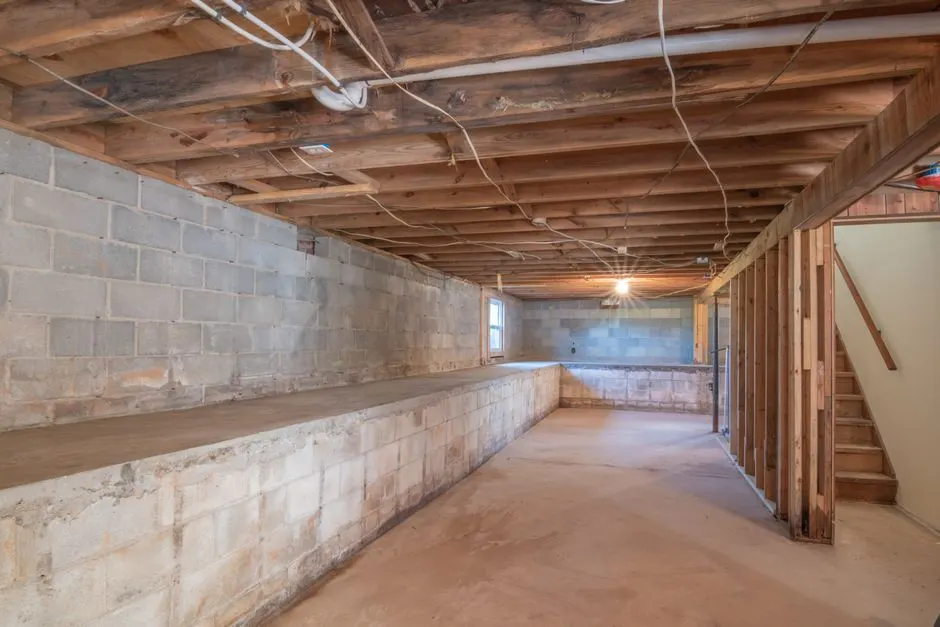 Cavity Wall Spray Foam RemovalCavity wall spray foam removal in Locking is often needed after a survey flags foam bridging the cavity. We remove the foam, check for damp in the inner leaf, and clear the cavity so it can drain and ventilate properly. This is common in properties around Elborough and Banwell Road.View details →
 Sand Blasting Spray Foam Insulation RemovalSand blasting spray foam insulation removal in Locking is used on hard surfaces such as brick, block and concrete where foam has bonded tightly. It strips the foam back to the substrate, which is useful in commercial units and outbuildings. We control the dust and protect surrounding surfaces.View details →
 Thermal Spray Foam RemovalThermal spray foam removal in Locking uses controlled heat to soften dense foam before extraction, which reduces the risk of damaging rafters and battens. It is a good option for closed cell foam that has gone brittle. We monitor temperatures throughout so the timber is never scorched.View details →
 Environmentally Friendly Insulation RemovalEnvironmentally friendly insulation removal in Locking means we separate the foam from other waste and dispose of it through licensed routes rather than sending it to landfill. Where possible, the foam is processed for energy recovery. You get the same clean result with less waste.View details →
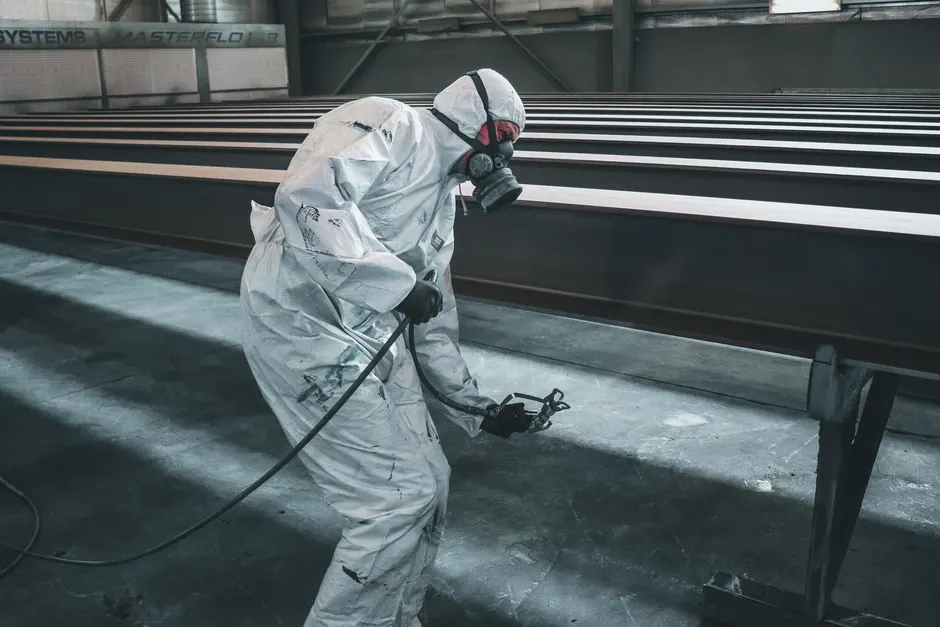 Warehouse Spray Foam RemovalWarehouse spray foam removal in Locking covers large industrial roofs and wall panels, including units near Weston Airfield. We work in phases so your operation keeps running, and we can work nights or weekends. Roof panels are surveyed and priced per square metre before we start.View details →
Locking properties fall into two camps, and the job changes depending on which one you are in. Older cottages around Locking Village and Locking Road were often built with no vapour barrier, so foam sprayed between rafte
Vans cannot always get close to cottages around St Augustine's Church and the narrow end of Locking Road, which slows the carry-in of extraction equipment and waste bags.
How we help: We park on Banwell Road or near Locking Primary School and carry kit in by hand, or use a wheeled trolley on the pavement. For bigger jobs we book a skip permit in advance so waste does not sit on the street.
In Locking's older cottages the foam bonds hard to bare timber, so removal risks gouging the rafters and leaving them exposed to further damp.
How we help: We use dry ice blasting or a thermal method on heritage timbers rather than aggressive cutting, then treat and dry the rafters before fitting timber battens and a vapour barrier to reinstate airflow.
On Locking Parklands and the Banwell Road developments, foam has been sprayed over a modern vapour barrier and blocks the eaves gap, so condensation builds up with nowhere to go.
How we help: We clear the foam from the eaves line first, check the ventilation path is open, then remove the rest of the foam in sections so the roof can dry gradually rather than all at once.
Mortgage valuation flagged the spray foam
Condensation or damp on the roof felt
Soft or discoloured rafters under the foam
Foam has cracked, crumbled or come loose
Musty smell or headaches in the loft
Locking is a small place, but the road layout catches people out. We use the landmarks below to orient ourselves and to give customers clear directions when we call ahead. If you are near Locking Castle, St Augustine's Church or Locking Primary School, we will know exactly where you are and which way to approach for parking.
A well-known local landmark on the edge of the village. It helps us pin down addresses on the western side of Locking and work out the quickest approach from Weston.
A central village reference point. Customers near the church are usually on the older streets with tight parking, so we plan to park on Banwell Road and walk kit in.
Useful for locating addresses on the residential streets nearby. We avoid school drop-off and pick-up times for van movements where we can.
The new development area gives us a clear marker for BS24 7 addresses on the eastern side of Locking, where the road layout is newer and access is easier.
These are our most frequently served ZIP codes. Nearby areas may also qualify—call if you do not see yours.
Locking Village · Locking Parklands · Elborough · Banwell Road area
Our team can help if your question is not answered here.
Call 0193 424 5129 →Typical 2026 prices in Locking run from about 1,200 pounds for a small loft section to 4,500 pounds or more for a full roof with closed cell foam and timber repairs. Cavity wall foam is priced per linear metre. The biggest variables are foam type, roof size and whether the timbers need treating. We survey first and give you a fixed price before any work starts.
The best contractor is the one who surveys properly, tells you honestly whether the foam needs to come out, and provides the paperwork your lender needs. We have worked across Locking since 2022, hold CHAS accreditation and SafeContractor, and use thermal imaging on every survey. Ask any company for their method, their certifications and a written report sample before you book.
Yes. We cover all of Locking, including Locking Village, Locking Parklands, Elborough and the Banwell Road area, plus the surrounding BS24 7 and BS24 8 postcodes. Surveys are usually booked within a few days and removal work within a week or two. Same day slots are often available if you call before 10am.
Yes. Our 24/7 line covers Locking for urgent problems such as storm damage, a leak soaking into open cell foam, or a mortgage deadline that has moved forward. You will speak to a real person, and we will tell you honestly whether it can wait until morning or needs a call-out that night.
Start with three questions: how do you survey, what method will you use, and can you provide a lender-ready report. Then check certifications such as CHAS, SafeContractor and PASMA, and confirm the insurance covers work at height. A contractor who answers all of that clearly, and gives you a fixed price after a survey, is the one to book.

Fixed price, full waste transfer note and a photographic record of your timbers. Call 0193 424 5129 and we will survey your loft, usually within 48 hours.
Tell us what you are seeing and where you are located. Our team will call to confirm the right appointment type and timing.